
How Beta Acid Builds Software
- Business & Culture

Roger ChibaRoger Chiba
January 19, 2026 • 4 min read
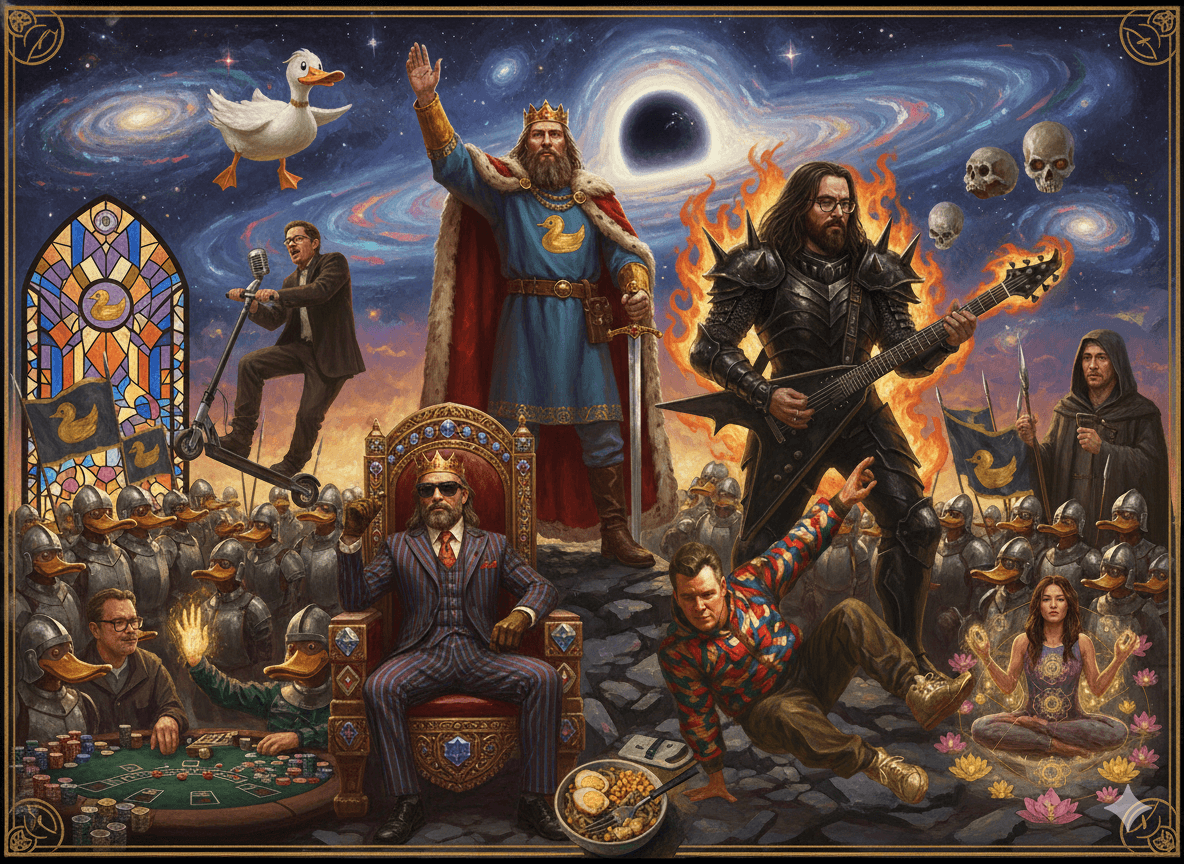
Maintaining team morale and motivation for daily tasks, such as posting their standups and participating in presentations, can be challenging. To incentivize team members, we decided to try something different within the company: creating a collectible card game inspired by Magic: The Gathering, fully customized with our team members, inside jokes, real stories, and the memorable moments we’ve shared along the way.
At first glance, it might seem like just a fun side project, but it would be a monumental task involving hours of copyrighting and illustration. So we wondered whether AI would be helpful in this case. In the end, this AI-powered initiative turned into one of the most impactful actions we’ve taken to foster engagement, culture, and team well-being.
Below, we share how this experiment came to life and what it taught us about creativity, organizational culture, and the role of AI in modern workplaces.
They realize that processes are not a waste of their time and are beneficial for them, they'll remain committed.
When we talk about AI in tech companies, the conversation usually revolves around:
All of these are valuable, but they represent only a fraction of what AI can do. In our case, we deliberately chose a less conventional path: using AI to create something playful, human, and culturally meaningful.
With generative AI, we created:
There is still a creative aspect to crafting the prompts for all the cards, such as finding funny moments and translating them into accurate prompts to generate the cards as intended.
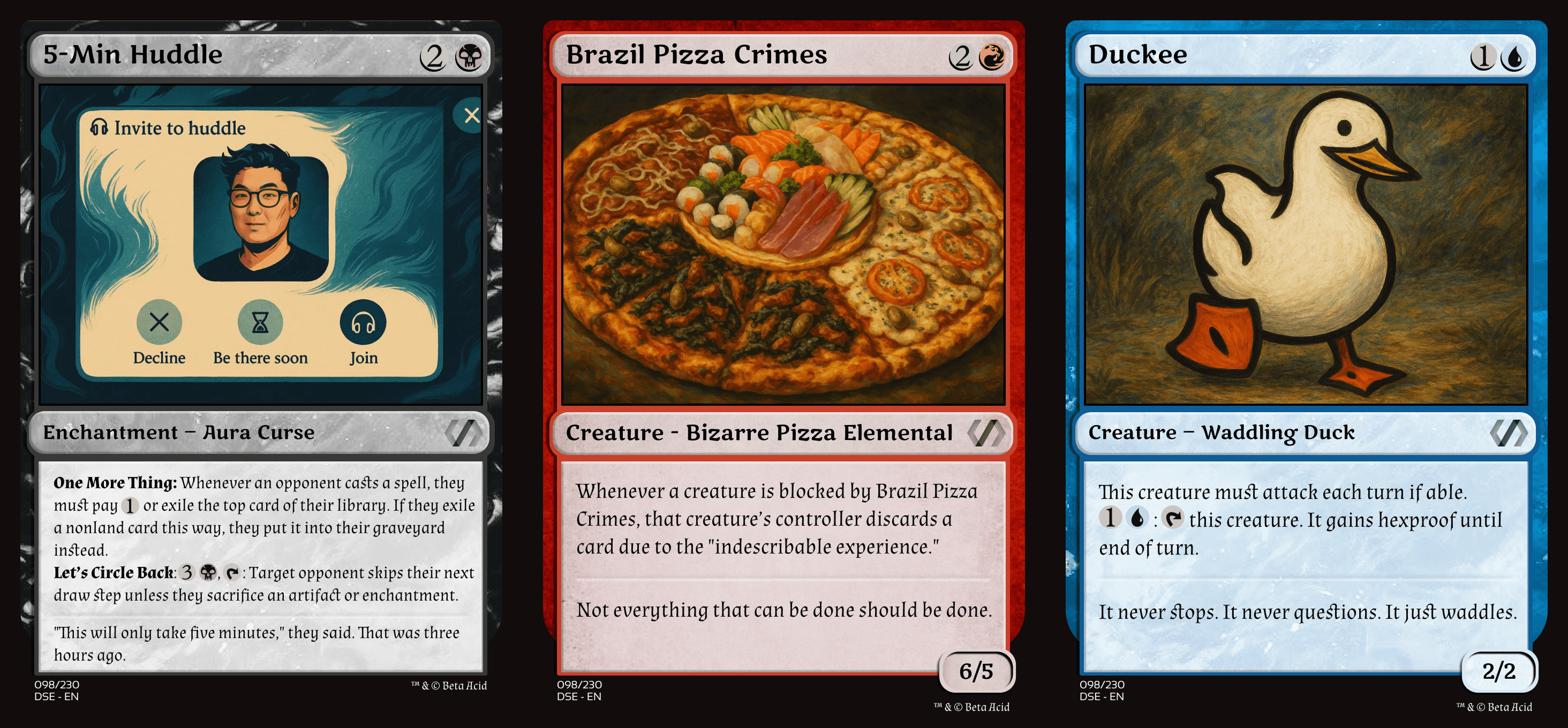
Additionally, a lot of experimentation has been done with various tools, such as Sora and Nano Banana, to determine which yields the best results, and sometimes, combining them to achieve the final outcome.
AI didn’t replace creativity, it amplified it, making it possible to build an entire universe that would have taken months to produce manually.
The card game started as a light-hearted incentive. Team members earn cards by completing everyday actions that support the company and the team, such as doing their daily standups, collaborating with others, and sharing knowledge.
The cards act as symbolic rewards that increase participation in key rituals and reinforce positive behaviors — without pressure, heavy systems, or extra bureaucracy.
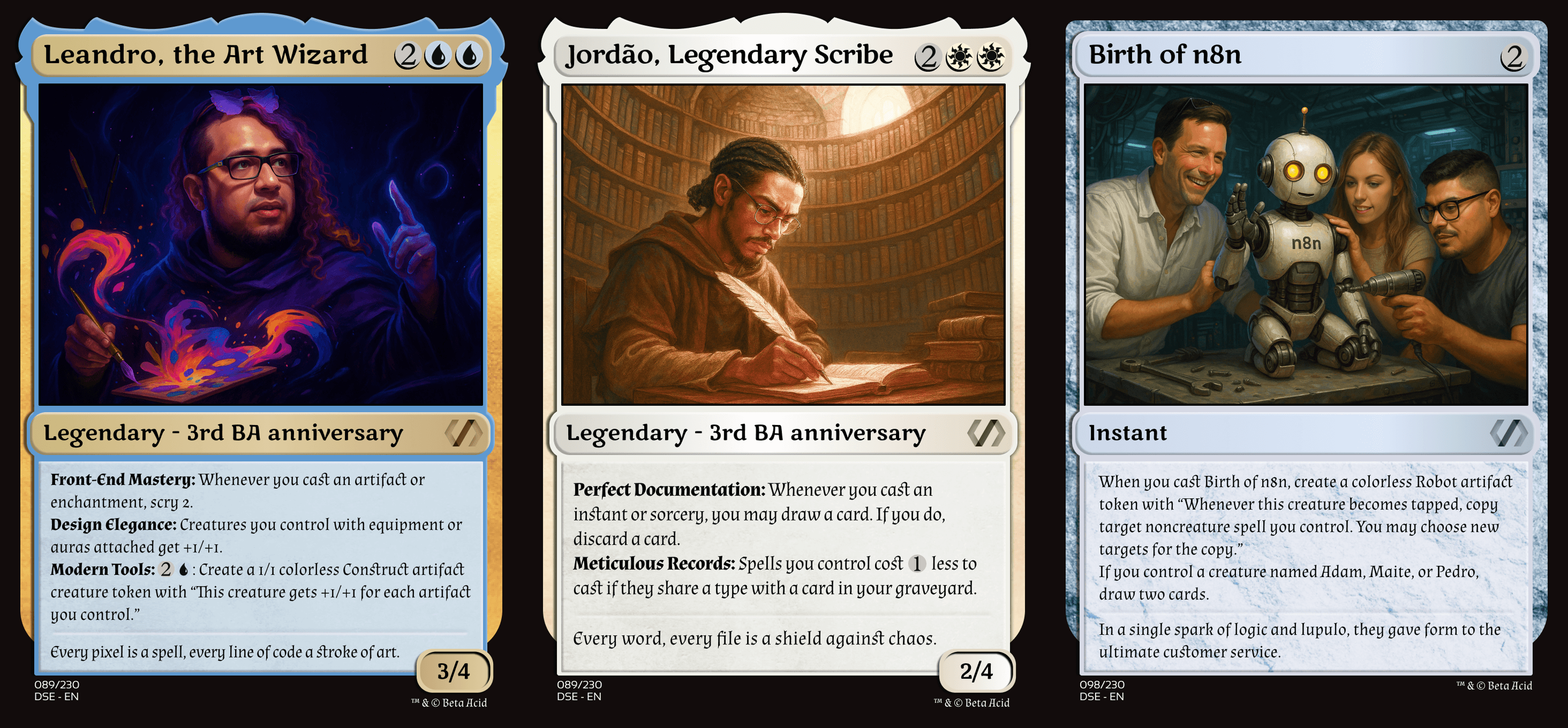
Each card represents a person, a story, or a moment from our collective experience. People recognize themselves and each other, laugh, reminisce, and share. Culture is built through shared memories, and the game made those memories tangible.
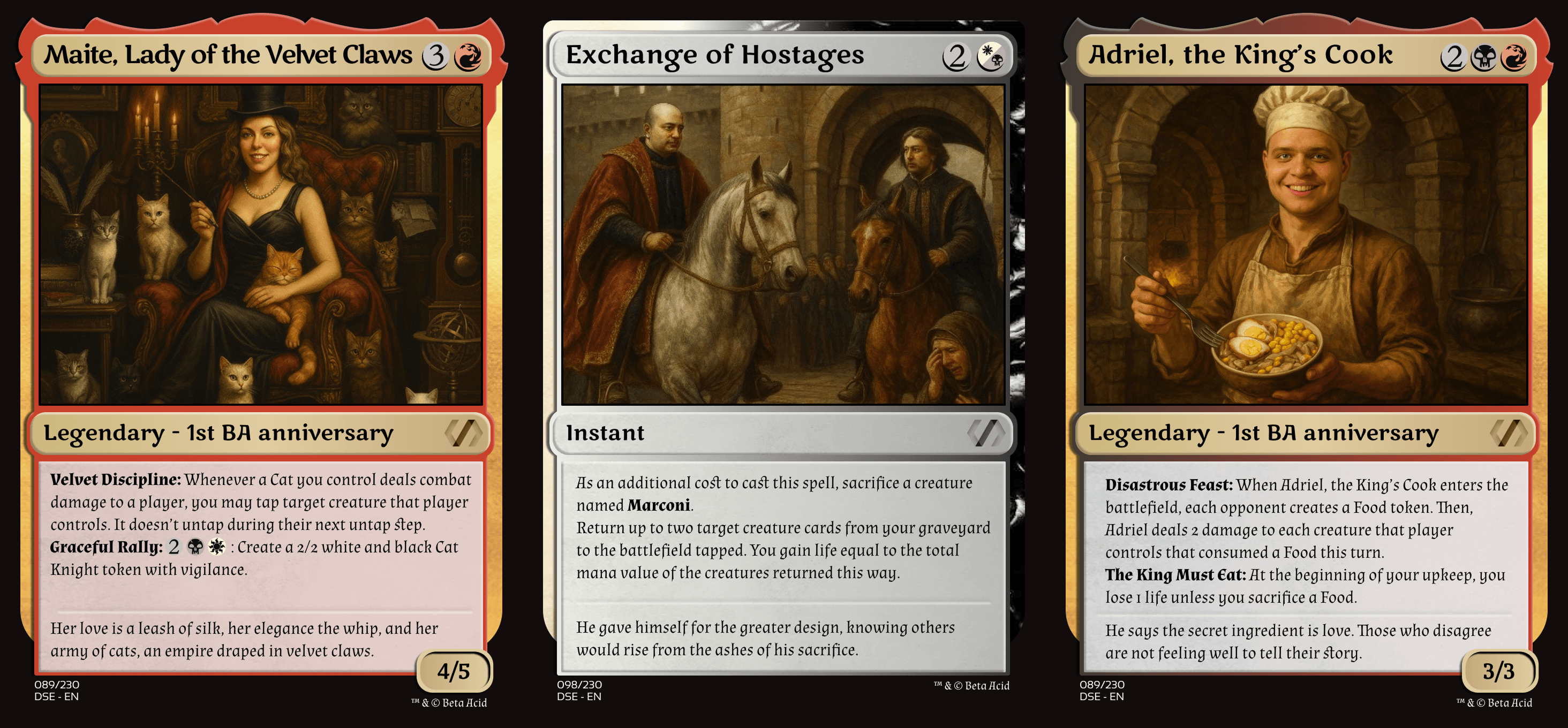
The cards turn everyday contributions, often invisible, into something concrete and personal. It’s a creative way of saying: we saw what you did, and it mattered.
Beyond the fun factor, the card game highlighted a few important principles that apply to any modern organization:
Sometimes, a single inside joke turned into a card can be more powerful than a perfectly planned corporate event.
When used with human intention, technology acts as a bridge, bringing people closer together, even when miles apart.
Not every meaningful initiative needs to start as a formal OKR.
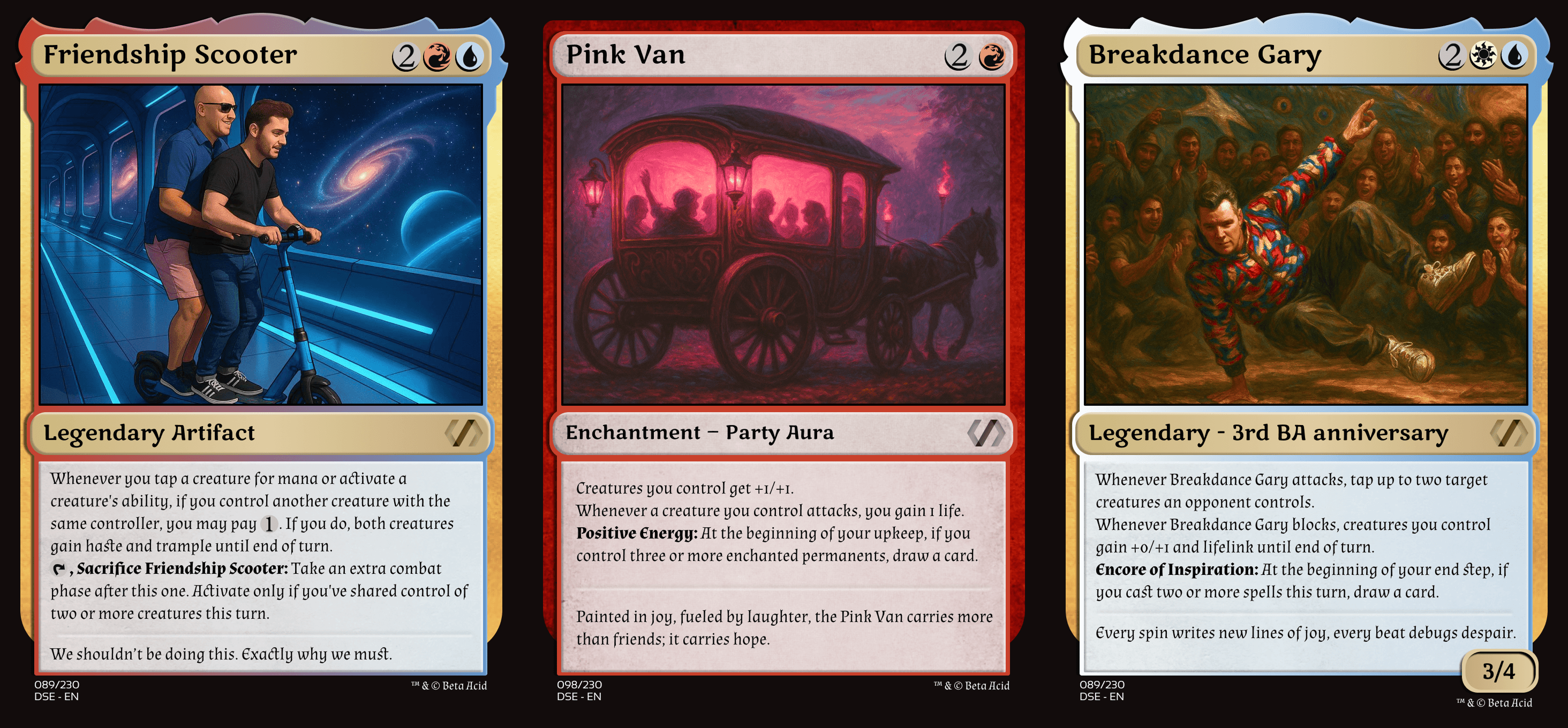
The card game may seem like a small initiative, but it represents something much bigger: a more human way of using AI at work. It reinforced culture, encouraged collaboration, created shared memories, and brought people closer together.
In a corporate world that often prioritizes speed, efficiency, and output, projects like this serve as an important reminder that it is the people who make this company, its culture, and its legacy.